prevent signal failures
Signal failures disrupt operations, frustrate passengers, and put pressure on maintainers — but most are preventable. A significant share of incidents can be traced to predictable causes: ageing assets, power supply weaknesses, telecoms glitches, weather effects, and human error. These are not random events; they are repeatable patterns that can be addressed with the right mix of design resilience and condition-led interventions.
The shift is from reactive recovery to proactive prevention. By targeting weak links for renewal, building in redundancy where it matters, and using data to predict failures before they happen, signalling reliability can move from firefighting to foresight. The result is fewer failures, smoother operations, and safer railways.
Fix the common causes
Every reliability programme should begin with the obvious. Asset records and incident logs consistently show the same culprits: point machine wear, power supply fluctuations, water ingress into lineside equipment, and ageing cabling. Tackling these early yields disproportionate gains.
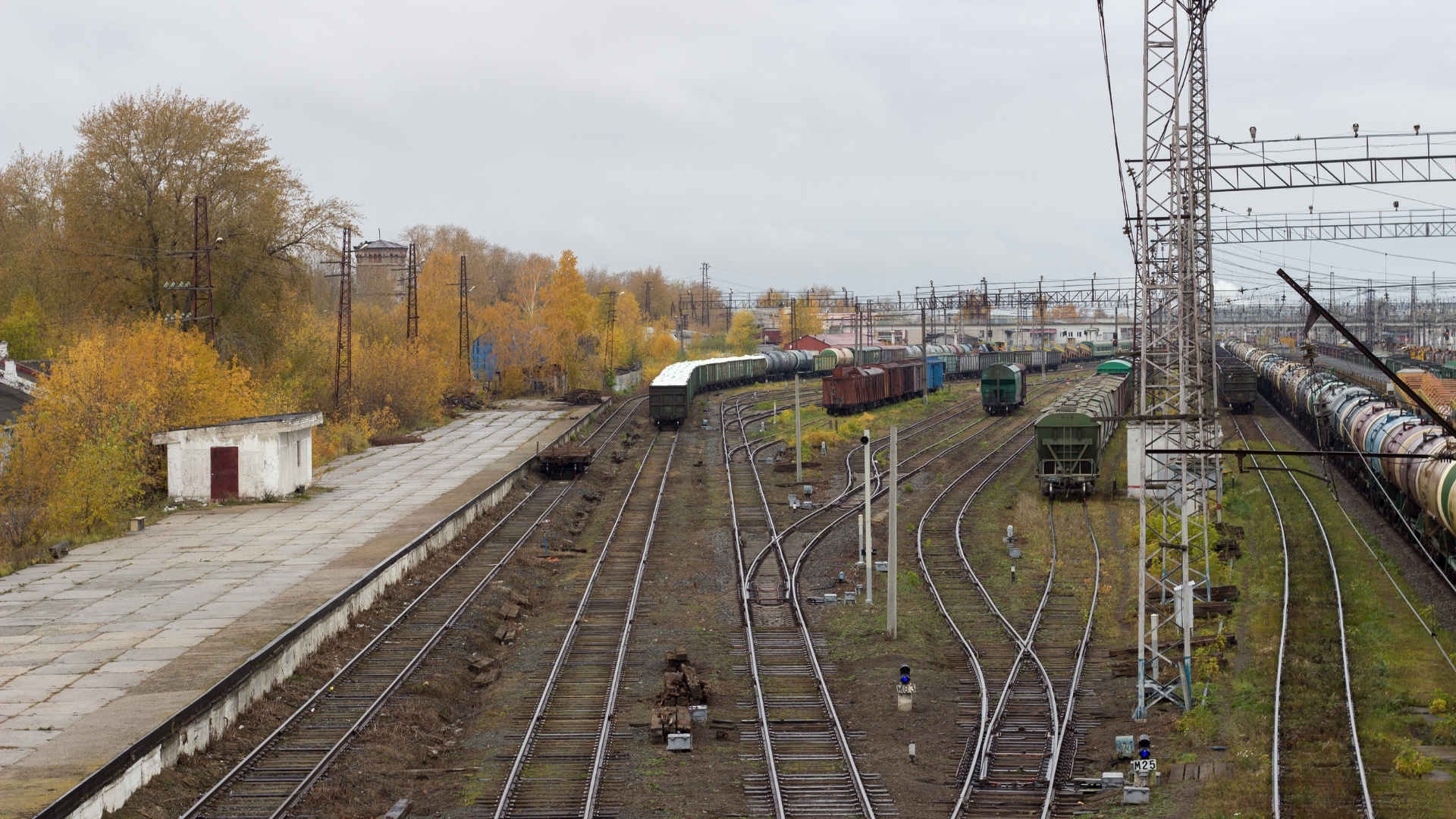
For power systems, dual feeds and resilient UPS supplies can eliminate single points of failure. For telecoms networks, cleaning up noise and ensuring robust connections prevents minor data glitches from escalating into signal outages. Even simple interventions like better drainage and sealing of location cases reduce the weather-related faults that drive incident spikes each winter.
Reliability is not about solving every problem at once — it’s about cutting the biggest risks down to size. By prioritising common causes and upgrading weak links, operators can prevent cascading failures and keep systems running steadily.
Design with maintenance in mind
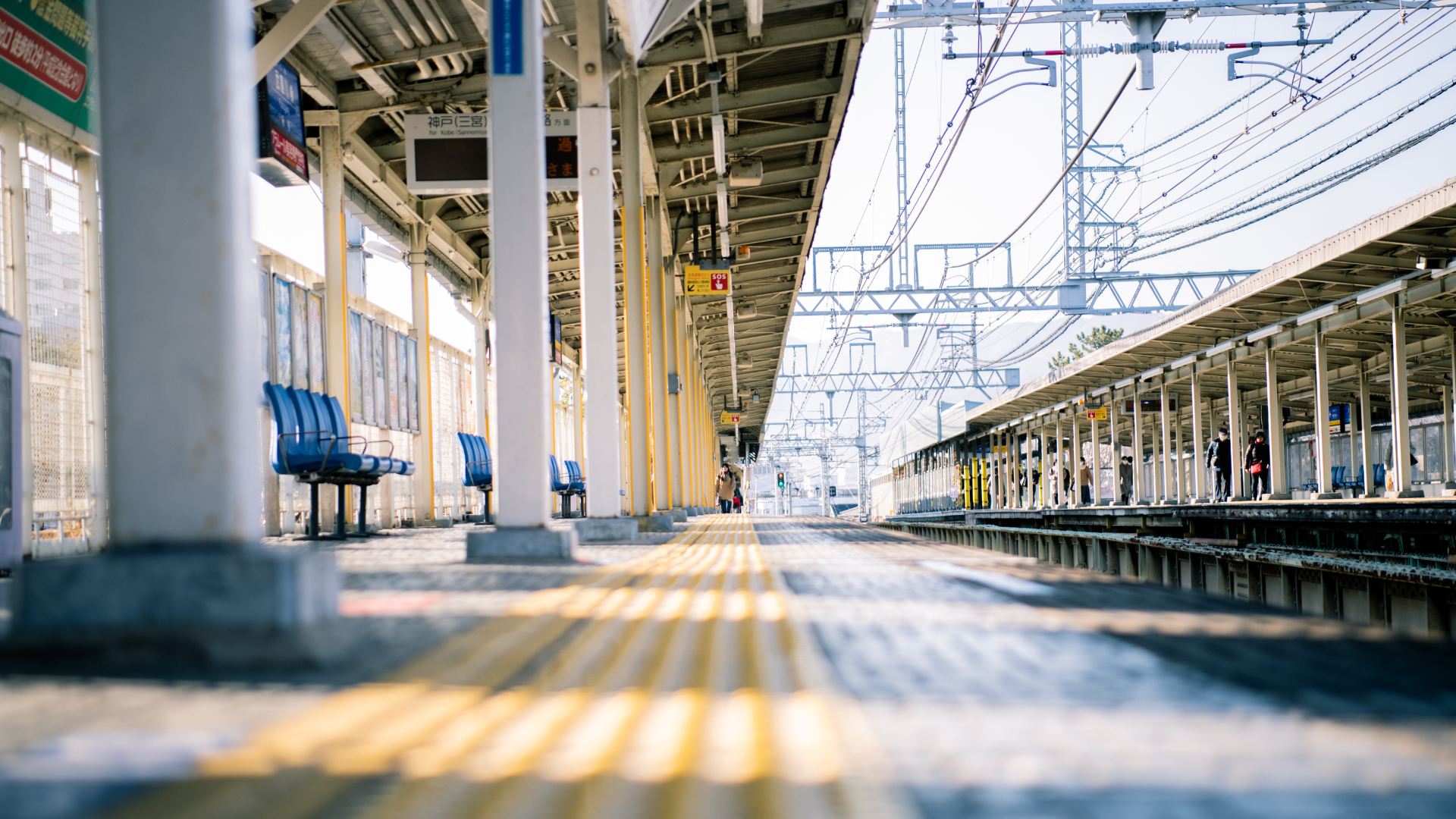
A signal installation may look perfect on paper but still fail in practice if it is awkward to maintain. Assets buried under cabling, hidden in cramped cases, or sited in hard-to-reach locations make inspection and repair harder than necessary. Every extra minute an engineer spends navigating poor access is a minute of downtime for the railway.
Designing with maintenance in mind means placing equipment so it can be inspected safely and swapped quickly. It also means planning for life-cycle interventions: clear walkways, lifting points, and weather protection all reduce the time and risk of routine checks.
By embedding maintainability into design, engineers create systems that are not only reliable when new but remain reliable throughout their service life. In practice, good access translates directly into fewer failures and faster recoveries.
Close the loop
Data is most powerful when it feeds back into the next design. Incident logs, failure reports, and condition monitoring all provide clues about what went wrong and why. Too often, this information is collected but not applied — the same weaknesses are built into the next project, repeating the cycle of failure.
Closing the loop means analysing incident data to refine standards, specifications, and designs. If a particular relay type is prone to early failure, it should be replaced in future builds. If condition monitoring shows power supply dips ahead of failures, dual feed requirements should become the default.
This feedback loop makes reliability repeatable. Each project builds on the lessons of the last, and each new system is more resilient than the one before. Over time, the effect compounds, cutting down incident numbers and building a railway that operates with fewer surprises.