Depot traction power protection
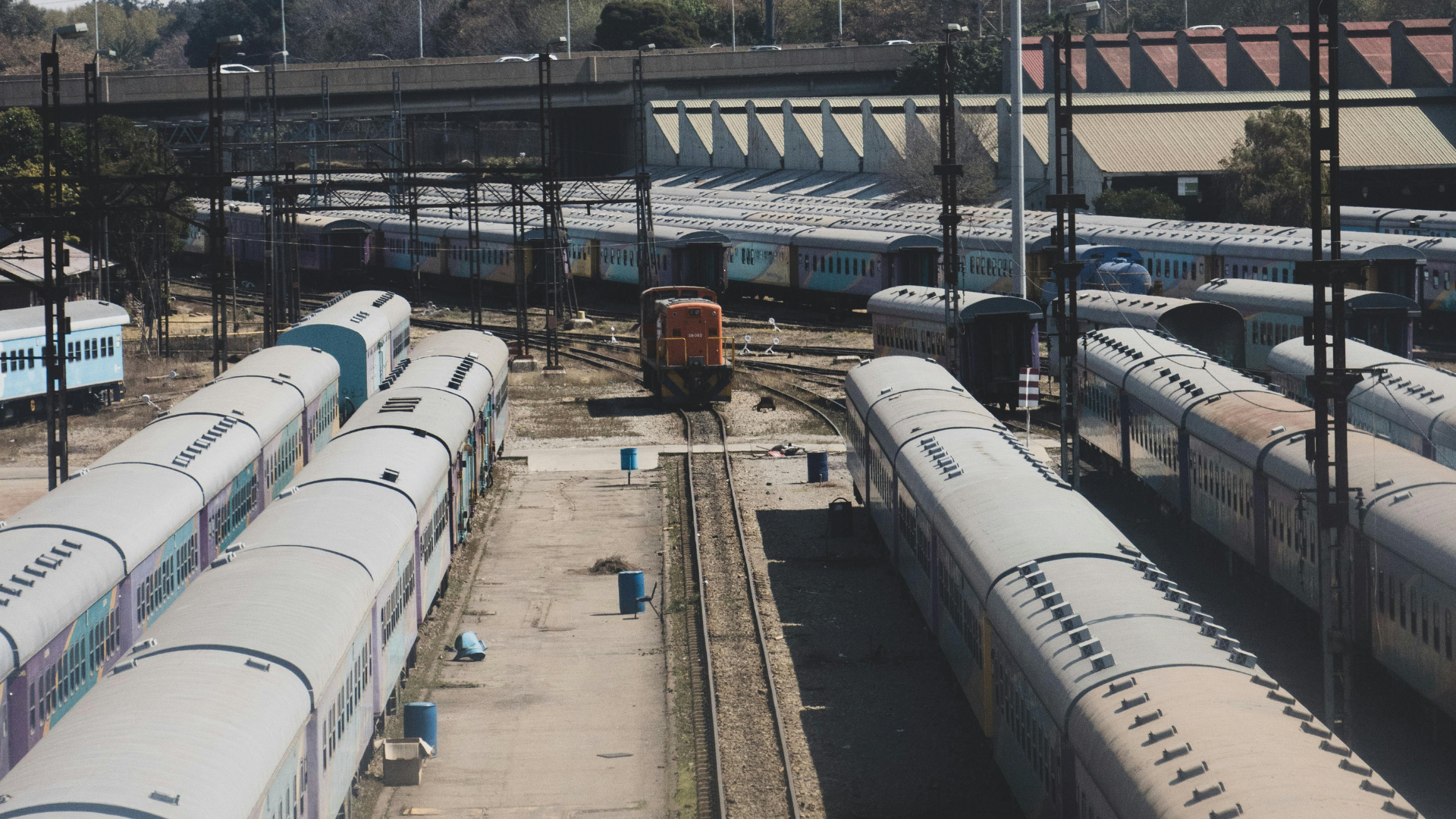
Rail depots are some of the busiest and most complex environments on the network. Staff, heavy equipment, and rolling stock all share tight spaces where margins for error are slim. In this environment, safety is defined not only by behaviour but by design: traction power arrangements, Local Operating Panels (LOPS) and Depot Protection Systems (DPS) must work seamlessly together.
When these systems are integrated properly, they allow movements to remain efficient while keeping staff out of danger. But when they are piecemeal or overcomplicated, the result is hesitation, workarounds, or in the worst cases, unsafe practices. Our depot design experience demonstrates that good power and protection solutions are those that build safety into everyday movements — making the right action the easiest action.
Well-designed move maps also reduce operational friction. They allow supervisors to authorise movements with confidence, knowing that the system is enforcing protections in the background. This balance of safety and efficiency is what enables depots to handle heavy workloads without bottlenecks or risks.
Keep isolation simple
Isolation is one of the highest-risk activities in a depot. When isolations are difficult, staff are tempted to cut corners and that’s where incidents occur. The key to safe design is making isolations simple, logical, and quick to apply.
This begins with power layout. Clear segregation of feeder sections, well-placed isolator switches, and intuitive labelling mean that isolations can be applied without confusion. Designs should avoid over-complication, such as requiring multiple obscure steps to achieve a safe condition. The best systems allow staff to see, at a glance, which sections are live and which are isolated.
Depot layouts also benefit from visual indicators and mimic panels that make the power state obvious to everyone in the room. These cues reduce reliance on memory or assumption. By removing ambiguity, depots minimise risk and allow isolations to become a smooth, confident routine rather than a stressful process.
Need Help?
Planning a depot or major change? We can design safe power and protection. From traction power layouts to integrated LOPS and DPS, our approach ensures that safety is automatic, isolations are simple, and staff can work with confidence.
Train and prove
Even the best-designed system will only be as safe as the people using it. That’s why clear procedures and regular practice are essential. Procedures should be written in plain language, stripped of unnecessary jargon, and structured so that they are easy to follow under pressure.
Training should go beyond classroom learning. Staff need hands-on practice with LOPS panels, DPS interfaces, and traction power equipment in realistic scenarios. Regular drills reinforce muscle memory so that isolations, authorisations, and emergency stops are carried out instinctively and correctly.
Proving the system is equally important. Before going live, new depot protection arrangements should be stress-tested under controlled conditions to verify that interlocks behave exactly as expected. This builds confidence not only in the technology but also in the staff who rely on it daily. A depot where safety routines are second nature is one where both staff and rolling stock are protected, without compromising efficiency.