Challenges In Rail Signalling
Railway signalling is the invisible force that keeps train operations safe, efficient, and on time. It dictates every movement on the tracks, ensuring seamless coordination between trains, infrastructure, and control centres. But behind this finely tuned system lies an engineering challenge of immense complexity.
From integrating new signalling technology with century-old infrastructure to meeting stringent safety regulations, signalling projects are rarely straightforward. Every upgrade, modification, or expansion must be meticulously planned to avoid disrupting live operations while ensuring compliance with Network Rail standards, CENELEC EN 50126/8/9, and ETCS specifications. Any miscalculation or delay can have far-reaching consequences, affecting everything from passenger services to freight logistics.
At Softech Rail, we’ve worked across mainline, metro, and tram networks, navigating these challenges to deliver resilient and future-proof signalling systems. This blog explores the most common challenges railway signalling projects face and how to tackle them effectively.
Integrating Modern Signalling with Legacy Infrastructure
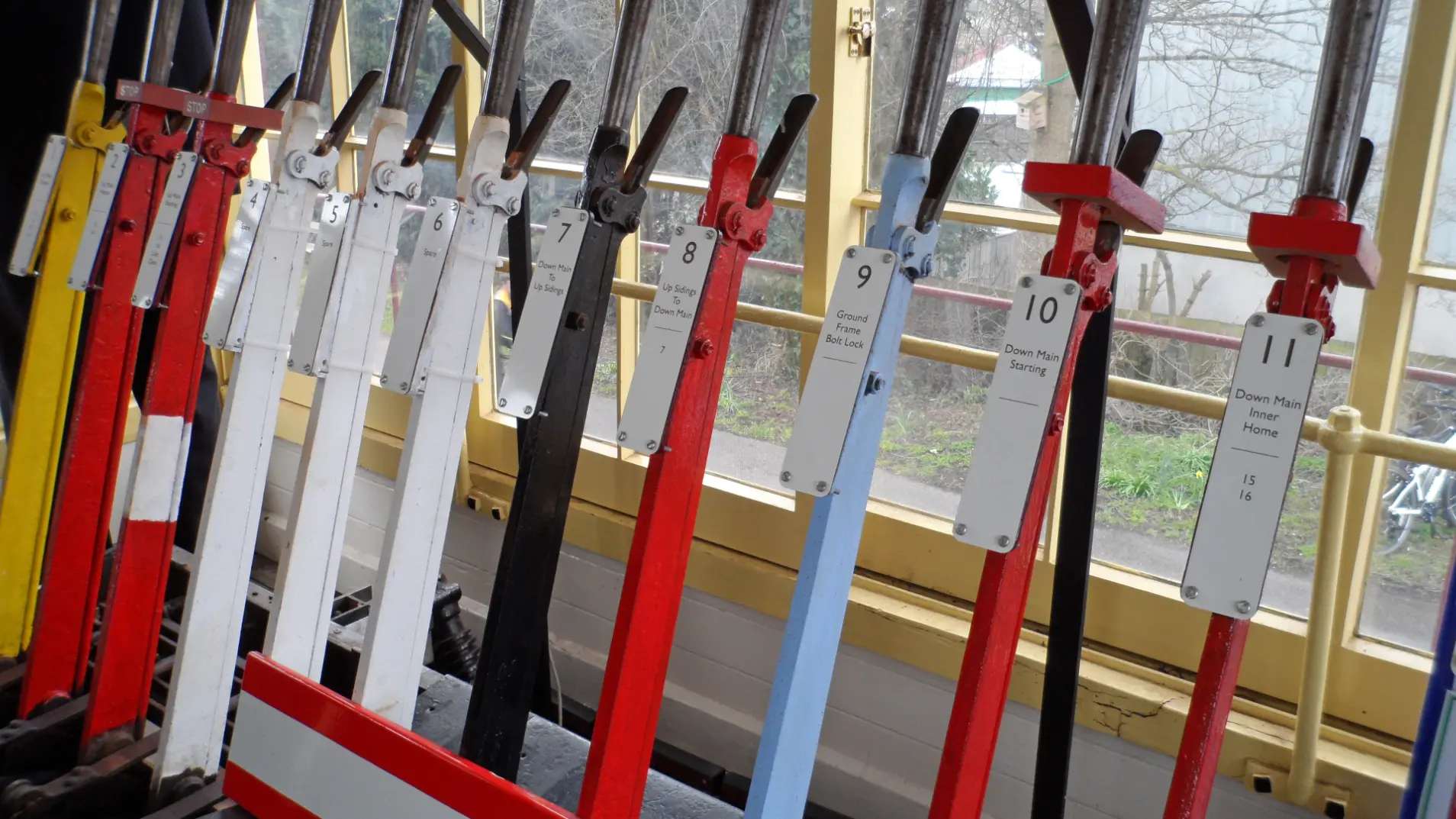
Many rail networks still operate with legacy relay-based interlocking systems that were installed decades ago. These systems were never designed to accommodate today’s digital interlockings, AI-driven traffic management, or remote diagnostics. Upgrading them is not as simple as swapping old for new. Legacy infrastructure often comes with outdated wiring, mechanical components, and complex configurations, all of which require careful consideration during upgrades.
A complete replacement of these systems is not always feasible. Instead, a phased approach is required, ensuring that modern interlocking and digital signalling can work alongside existing infrastructure while maintaining safety and reliability.
During the Bethnal Green to Shenfield signalling power upgrade, Softech Rail successfully transitioned to Class II ring networks, improving efficiency and reducing power distribution vulnerabilities. This ensured compatibility between modern and older components, reducing the risk of system failure while future-proofing the network for further enhancements.
Managing Project Delays and Cost Overruns
Signalling projects rarely happen in isolation. They often form part of larger infrastructure programmes, working alongside electrification upgrades, track renewals, and station improvements. This interdependency creates a domino effect—delays in one area can ripple through the entire project, increasing costs and pushing back deadlines.
One of the most significant causes of overruns is insufficient early-stage planning. Failing to conduct detailed feasibility studies, risk assessments, and contingency planning can lead to unforeseen complications once work begins. For example, unexpected ground conditions, incompatible legacy wiring, or supply chain issues can grind projects to a halt.
To mitigate this, Softech Rail incorporates meticulous pre-project assessments, identifying potential obstacles before they arise. Our approach to Shenfield Station’s TRTS (Train Ready to Start) implementation ensured that installation schedules were optimised, avoiding disruptions to the station’s live operations.
Ensuring Safety and Regulatory Compliance
The regulatory landscape surrounding railway signalling is one of the strictest in the transport sector. Every aspect, from track circuits and signal positioning to interlocking logic and failure protocols, must comply with rigid safety standards. The consequences of non-compliance can range from operational disruptions to major safety hazards and legal implications.
Achieving compliance requires in-depth knowledge of national and international railway signalling standards. Systems must undergo rigorous validation, verification, and testing before commissioning. This is where experience in system assurance and risk assessment becomes invaluable.
At Softech Rail, we ensure all signalling designs and installations meet the required Network Rail signalling principles and European ETCS regulations. Our teams work closely with project managers, regulatory bodies, and operators to ensure full traceability and compliance from design to deployment.
Minimising Service Disruptions During Upgrades
Signalling upgrades need to happen, but they also need to happen without bringing rail services to a standstill. Given that many upgrades take place on live railways, maintaining normal service levels while installing, testing, and commissioning new systems presents a major challenge.
Traditional approaches to signalling work required long blockades or disruptive possession schedules. However, more sophisticated strategies are now being deployed to reduce passenger and freight disruption.
One solution is modular signalling, which allows for staged implementation with minimal track closures. Another approach is the use of temporary signalling overlays, allowing new equipment to run in parallel with existing systems before fully transitioning.
Softech Rail’s work on Wimbledon Tramlink demonstrated how staged implementation could allow for continual operation while upgrades were underway. By integrating temporary systems during the transition, we ensured that service reliability was not compromised during the upgrade period.
Adapting to Emerging Technologies and Automation
Rail signalling is evolving. Artificial intelligence, predictive maintenance, and automation are increasingly being integrated into modern railway networks. Systems are transitioning from traditional track circuit-based detection to GPS and radio-based communication, offering greater precision and real-time control.
However, while these technologies promise increased efficiency, they also present integration challenges, particularly when merging them with existing interlockings and control centres. Without careful implementation, digital upgrades can create data mismatches, communication failures, or increased system complexity.
The key to successful adoption is a gradual, structured transition, allowing operators to train personnel, adapt procedures, and validate new technologies before full deployment. Softech Rail has been at the forefront of future-proofed signalling design, ensuring that modern automation systems can be seamlessly introduced into legacy networks.
Key Takeaways
Legacy system integration
is one of the biggest challenges in railway signalling projects. Step-by-step transition strategies ensure seamless upgrades.
Project delays and cost overruns
can be avoided with detailed risk assessments and feasibility studies before implementation.
Safety and compliance with regulations
are critical. Rigorous verification, validation, and risk assessments help meet industry standards.
Minimising service disruptions
during upgrades is possible using modular signalling, phased commissioning, and temporary systems.
New technology adoption
requires careful training and future-proofed design to ensure smooth integration of automation and AI-based solutions.
The Future of Railway Signalling: Facing Challenges with Innovation
The demand for efficient, safe, and digitally advanced railway networks is growing, but so are the challenges in delivering them. The key to overcoming these obstacles lies in smart integration, robust planning, and expert execution.
At Softech Rail, we are committed to navigating the complexities of railway signalling, ensuring that every project—whether a small-scale upgrade or a full-scale modernisation—is delivered on time, within budget, and to the highest safety standards.