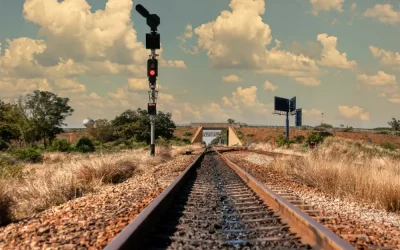
5G and FRMCs Telecom
The railway industry is on the brink of a communication revolution. With passenger demand, digital automation, and operational complexity increasing, rail networks must adapt by implementing more advanced, secure, and high-capacity telecom systems. This shift is happening now, as the industry moves away from GSM-R (Global System for Mobile Communications – Railway) and embraces 5G and FRMCS (Future Railway Mobile Communication System).
For decades, GSM-R has provided reliable voice and data communication for railways, forming the foundation of train-to-control communication and safety-critical operations. But as new technologies push the industry forward, GSM-R is struggling to keep up with modern data demands, increased cybersecurity threats, and the push toward automation and predictive maintenance. The next generation of rail telecom, built on 5G architecture and FRMCS, is set to change the way railways operate—delivering faster, safer, and more intelligent networks.
Why GSM-R is Being Phased Out
GSM-R was developed in the late 1990s as a dedicated rail telecom standard, built on 2G mobile networks. While it has served rail networks well, it has clear limitations that make it unsuitable for the demands of modern rail operations. Data transmission is slow, it lacks the bandwidth for emerging rail applications like real-time video monitoring, and most critically, 2G mobile networks are being decommissioned worldwide. With fewer suppliers supporting GSM-R and a growing number of countries planning to switch off their legacy mobile infrastructure, rail operators have no choice but to transition to a next-generation alternative.
The answer is FRMCS, a 5G-based system designed specifically for railways. Unlike GSM-R, which was adapted from commercial telecom standards, FRMCS has been built from the ground up to meet the needs of rail operations, ensuring seamless communication, scalability, and integration with modern railway technologies.
What FRMCS Brings to the Railway Industry
FRMCS represents more than just an upgrade to existing communication networks—it is a fundamental shift in how railway telecom is designed, operated, and secured. Using a 5G-based framework, it allows for ultra-fast speeds, low latency, and the ability to connect thousands of devices simultaneously.
One of the most significant advantages of FRMCS is its ability to support next-generation rail applications. With its high bandwidth and reliability, real-time data exchange between trains, trackside systems, and control centres becomes not only possible but standard practice. This means that train operators can receive instant signalling updates, predict maintenance needs before failures occur, and even implement automation technologies like driverless trains.
Security is another major factor driving the shift to FRMCS. As rail networks become more digitally connected, they also become more vulnerable to cyberattacks. FRMCS includes enhanced encryption, advanced authentication measures, and stronger access controls to protect railway networks from potential security breaches. These improvements ensure that rail telecom remains reliable and resilient against both physical and digital threats.
The Role of 5G in Rail Telecom
While FRMCS provides the framework for next-generation rail communications, it is 5G technology that enables its capabilities. Compared to GSM-R’s limited bandwidth and slow speeds, 5G offers a quantum leap in connectivity, allowing rail networks to support far more data-intensive applications.
One of the biggest advantages of 5G is its ultra-low latency, ensuring that data can be sent and received in real-time without delays. This is essential for safety-critical applications like automated train control and remote diagnostics, where even a small lag in communication could impact operational performance.
The scalability of 5G networks also means that rail operators can connect a vast number of devices, from IoT sensors monitoring track conditions to AI-powered cameras detecting safety hazards. This level of connectivity was impossible with previous rail telecom systems, making 5G a game-changer for how railways manage efficiency, safety, and passenger experience.How Rail Operators Can Prepare for 5G and FRMCS
How Rail Operators Can Prepare for 5G and FRMCS
Upgrading an entire railway network’s telecom infrastructure is a massive undertaking, requiring careful planning, investment, and phased implementation. Operators must transition gradually, ensuring compatibility between existing systems and new technologies to avoid disruptions.
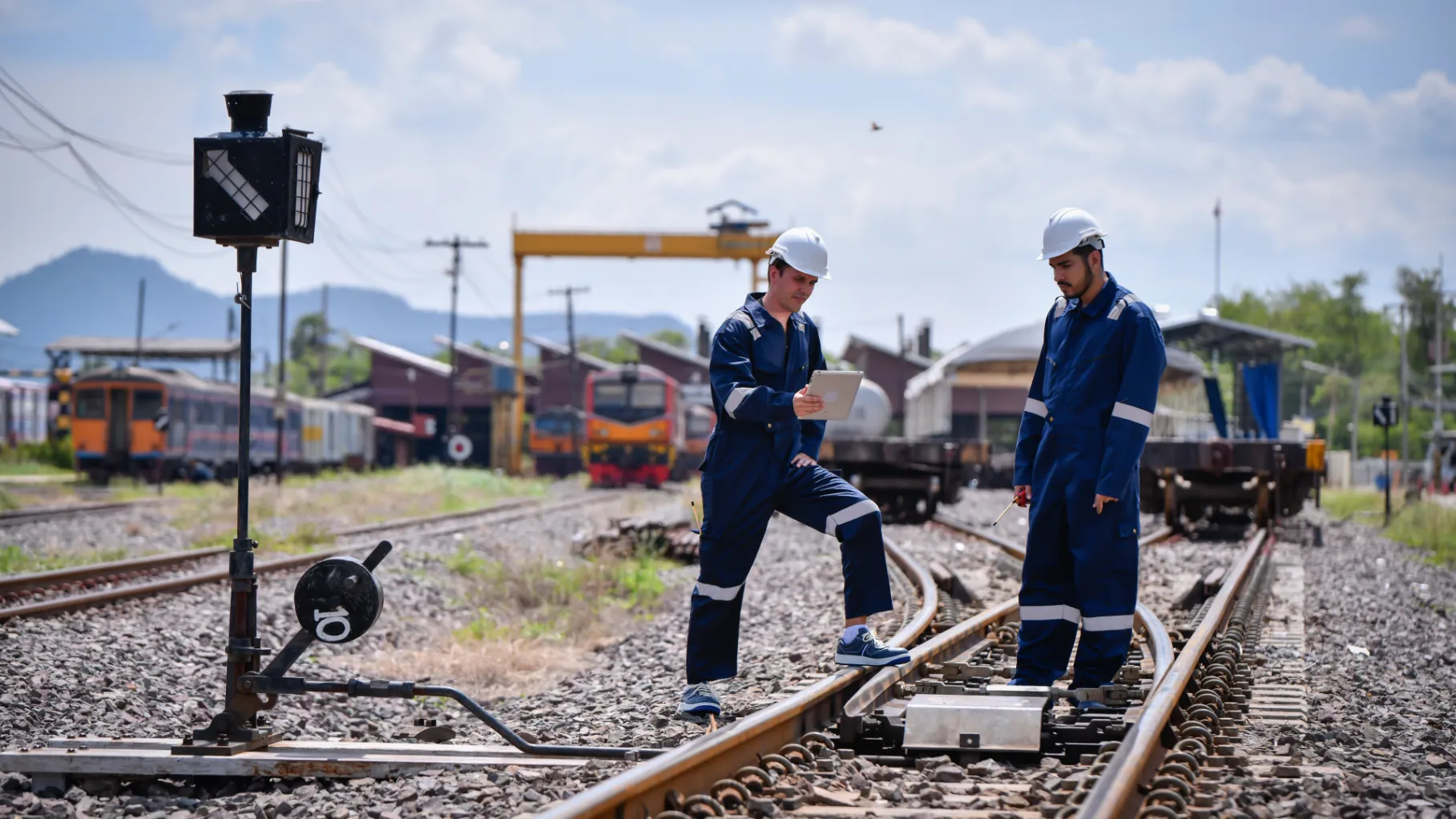
A critical first step is modernising legacy telecom infrastructure. Many railway networks still rely on aging copper or limited-capacity fibre-optic networks, which are not designed for the high-speed, high-bandwidth demands of 5G and FRMCS. Upgrading to next-generation fibre-optic systems will be essential to supporting the increased data load that comes with digital transformation.
Cybersecurity is another key priority in this transition. As rail networks become more interconnected, they also become more exposed to cyber threats. Rail operators must ensure that new telecom systems include advanced security measures, such as multi-layered encryption, AI-driven threat detection, and automated security updates.
For railway operators, developing a phased rollout strategy is essential. Switching from GSM-R to FRMCS cannot happen overnight, and a hybrid approach—where networks run both systems in parallel for a transition period—will be necessary to ensure a smooth handover without disrupting daily operations.
The Future of Rail Telecom Beyond 5G and FRMCS
While 5G and FRMCS represent the next major step in railway communications, the pace of technological advancement means that rail telecom will continue to evolve beyond what is currently being implemented. Innovations in 6G, satellite-based rail communications, and AI-powered network management are already being explored, paving the way for even more advanced automation, predictive analytics, and fully autonomous rail systems.
For operators and infrastructure managers, staying ahead of these developments means being proactive rather than reactive. Investing in future-ready telecom infrastructure today will ensure that rail networks are scalable, adaptable, and equipped to handle whatever comes next.
At Softech Rail, we specialise in designing, implementing, and optimising rail telecom solutions that meet the needs of today while preparing for tomorrow. Whether it’s 5G integration, FRMCS migration, or network security enhancements, we provide expert guidance to ensure your rail communication systems remain reliable, efficient, and future-proof.
How Rail Operators Can Prepare for FRMCS and 5G Integration
Upgrading Legacy Telecom Infrastructure
Many railway networks still rely on outdated copper and fibre-optic networks, which cannot handle the data demands of 5G and FRMCS. Upgrading to high-capacity fibre-optic systems is a crucial first step in preparing for next-generation connectivity.
Enhancing Network Security
As rail telecom systems become more connected, they also become more vulnerable to cyberattacks. FRMCS introduces stronger encryption and authentication protocols, but rail operators must also invest in advanced cybersecurity frameworks to prevent network breaches and operational disruptions.
Implementing Smart Network Redundancy
Railways cannot afford communication blackouts. Future-ready rail networks must be designed with redundant data paths, ensuring continuous communication even in the event of network failures or outages.
At Purfleet, where Softech Rail delivered comprehensive telecom design, redundancy planning was a key component of ensuring uninterrupted rail communication systems.
Training and Workforce Adaptation
The transition from GSM-R to FRMCS isn’t just a technology shift—it’s a workforce shift. Rail operators must ensure that engineers, telecom specialists, and operations staff are fully trained to handle the complexities of next-generation telecom systems.
Phased Implementation Strategy
Switching from GSM-R to FRMCS cannot happen overnight. A phased approach—starting with pilot projects, regional rollouts, and gradual network upgrades—ensures a smooth transition without service disruptions.