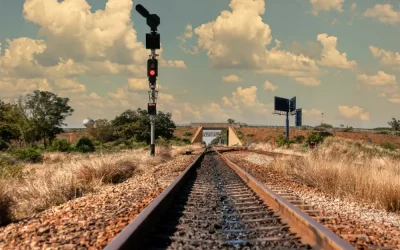
Remote condition monitoring for fewer failures and faster fixes
In an era where the rail industry is rapidly transforming, prioritising safety and operational efficiency has become essential. Our innovative remote condition monitoring solution grants teams the capability to foresee and rectify potential issues before they escalate into significant problems. By utilising data harvested from power systems, interlockings, and telecommunications, we can identify early warning signs of potential failures and initiate proactive measures. This means that technicians can be dispatched to the field fully prepared with the necessary information and tools, minimising the likelihood of disruptions. Such advanced monitoring not only reduces operational interruptions but also establishes a continuous feedback loop that contributes to the ongoing enhancement of system design and reliability. At Softech Rail, our commitment lies in revolutionising rail networks into safer, smarter, and more resilient infrastructures. This approach sets the groundwork for a future characterised by fewer incidents and expedited recovery times, ultimately delivering a more robust rail service to meet the needs of an ever-growing passenger base. As we embrace cutting-edge technologies and methodologies, we remain dedicated to ensuring that the rail systems of tomorrow are built on a foundation of foresight, reliability, and innovation.
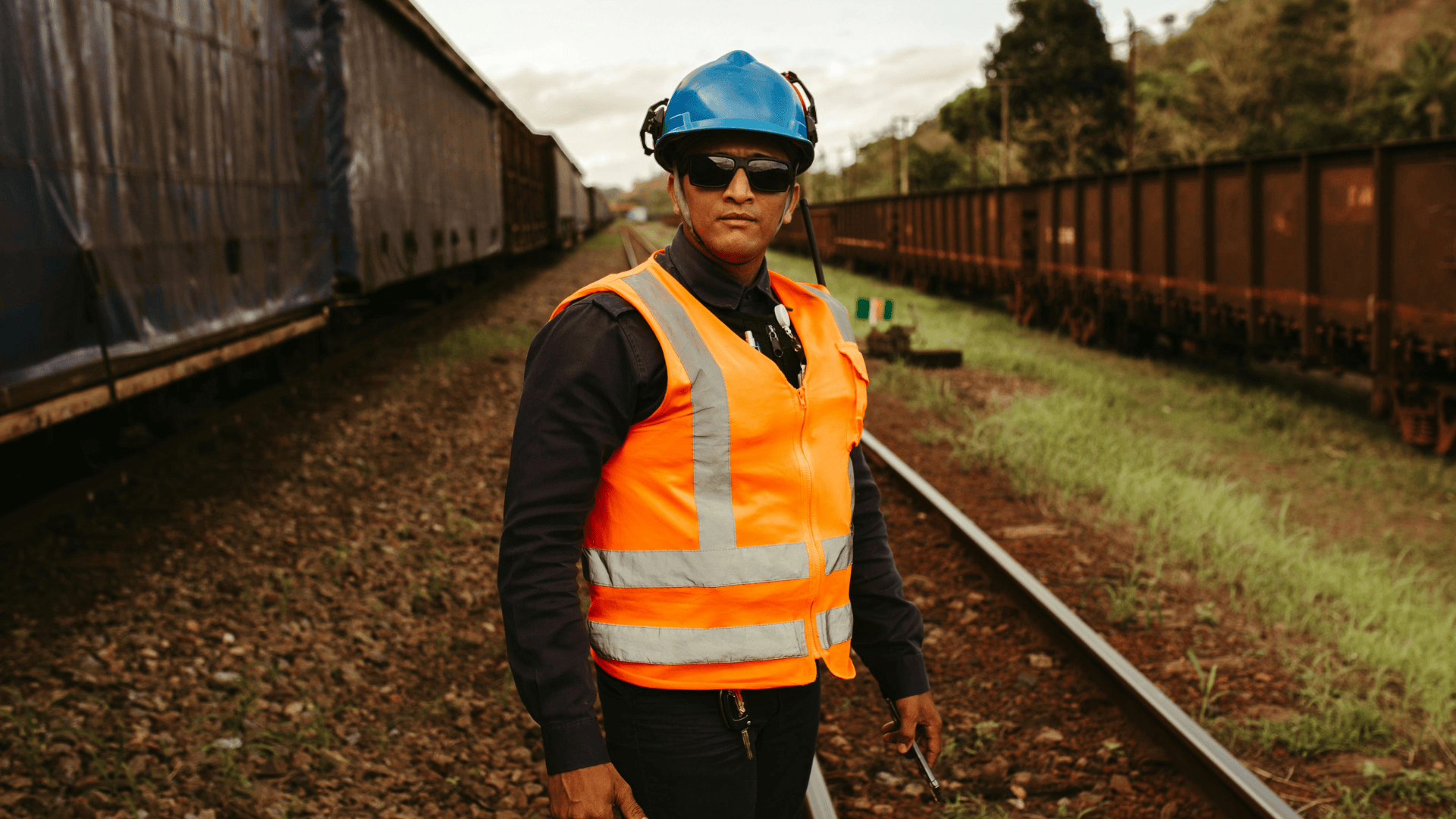
See issues early
With our advanced remote condition monitoring solutions, we empower teams to stay ahead of potential issues, transforming data into actionable insights that enhance operational efficiency. By closely observing critical infrastructure such as power systems, interlockings, and telecommunications, we enable early detection of anomalies, allowing swift interventions that prevent minor concerns from escalating into significant disruptions. Our streamlined alerts, paired with clear response playbooks, ensure that technicians arrive on site fully prepared to tackle the right issues, ultimately minimising downtime and maximising reliability. In an industry where precision and preparedness are paramount, our innovative approach stands as a beacon of proactive maintenance and operational excellence.
Fix the right thing
Integrating artificial intelligence into railway signalling and telecom systems revolutionises safety and efficiency by providing real-time data analysis and predictive capabilities that enhance decision-making processes. AI can identify patterns and anomalies in vast datasets, allowing for rapid responses to potential issues before they escalate into significant disruptions. This not only optimises the flow of train operations but also significantly reduces the risk of human error, ensuring that signals are more accurately managed and communications are seamlessly maintained across the network. With AI at the helm, we can elevate operational reliability, streamline maintenance tasks, and ultimately create a safer, more efficient rail environment that meets the demands of modern transport.
Feed back into design
In a landscape where every moment counts, our remote condition monitoring system meticulously tracks even the minutest anomalies, elevating predictive maintenance to a sophisticated level of proactive management. By integrating advanced analytics and real-time data into our processes, we enable teams to discern early indicators of issues within signalling and telecom systems, allowing for prompt and informed interventions before minor concerns escalate into major disruptions. This strategy not only reduces downtime but also ensures that technicians are armed with bespoke solutions, so they arrive on-site equipped with the precise tools and in-depth understanding required to tackle specific challenges effectively. Moreover, the insights garnered from each event feed back into our design philosophy, fostering continuous improvement and bolstering overall reliability. Embrace the future of rail operations where minimised failures and expedited recovery times are merely the starting point for joint efforts in cultivating a safer and more efficient rail environment.